 Lens Cap Labs
Principles
Five things we will not trade away.
Everything Lens Cap Labs makes is built on the same five commitments. They are on one page here so you can read them straight through.
Local AI
The computer on your desk is enough.
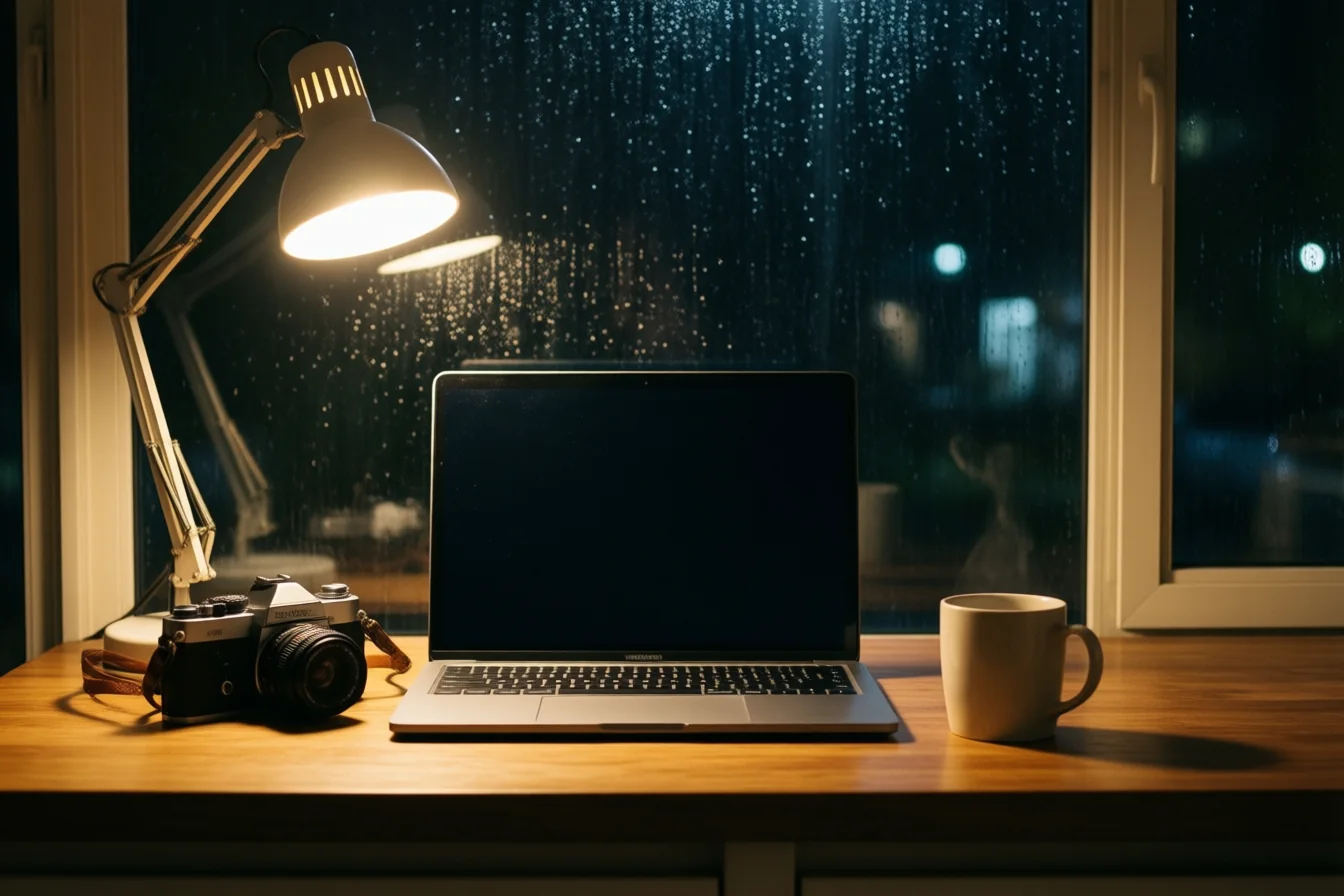
For a few years, intelligence seemed to need a building: racks in a far-off room and a queue to use them. That was a moment, not a law. The machine you already own can learn from your photographs and make new ones, and it can do it tonight.
I
Intelligence used to need a building.
The first wave of image AI ran in data centers because that was where it could run at all. The models were enormous, the hardware was rare, and the only way to use them was to send your pictures somewhere else and wait for an answer.
That is changing faster than most people have noticed. The chips in ordinary laptops now carry dedicated neural hardware. Models have become smaller without becoming worse. The gap between what a server can do and what your own machine can do is closing, and for the things a photographer actually needs, it has closed.
II
Local is not a compromise.
Running on your own computer is not the budget option. It is the better one. There is no queue in front of you. Nothing goes down for maintenance. It works on a plane, in a field, in a basement studio with bad reception, and it works the same on the day a company changes its terms as it did the day before.
III
Faster in the way that matters.
Not the seconds a render takes, but the seconds between the thought and the attempt. When trying something sends nothing anywhere and waits for no one, you try more, and the work gets better.
Privacy
Some pictures are not for a machine you have never met.
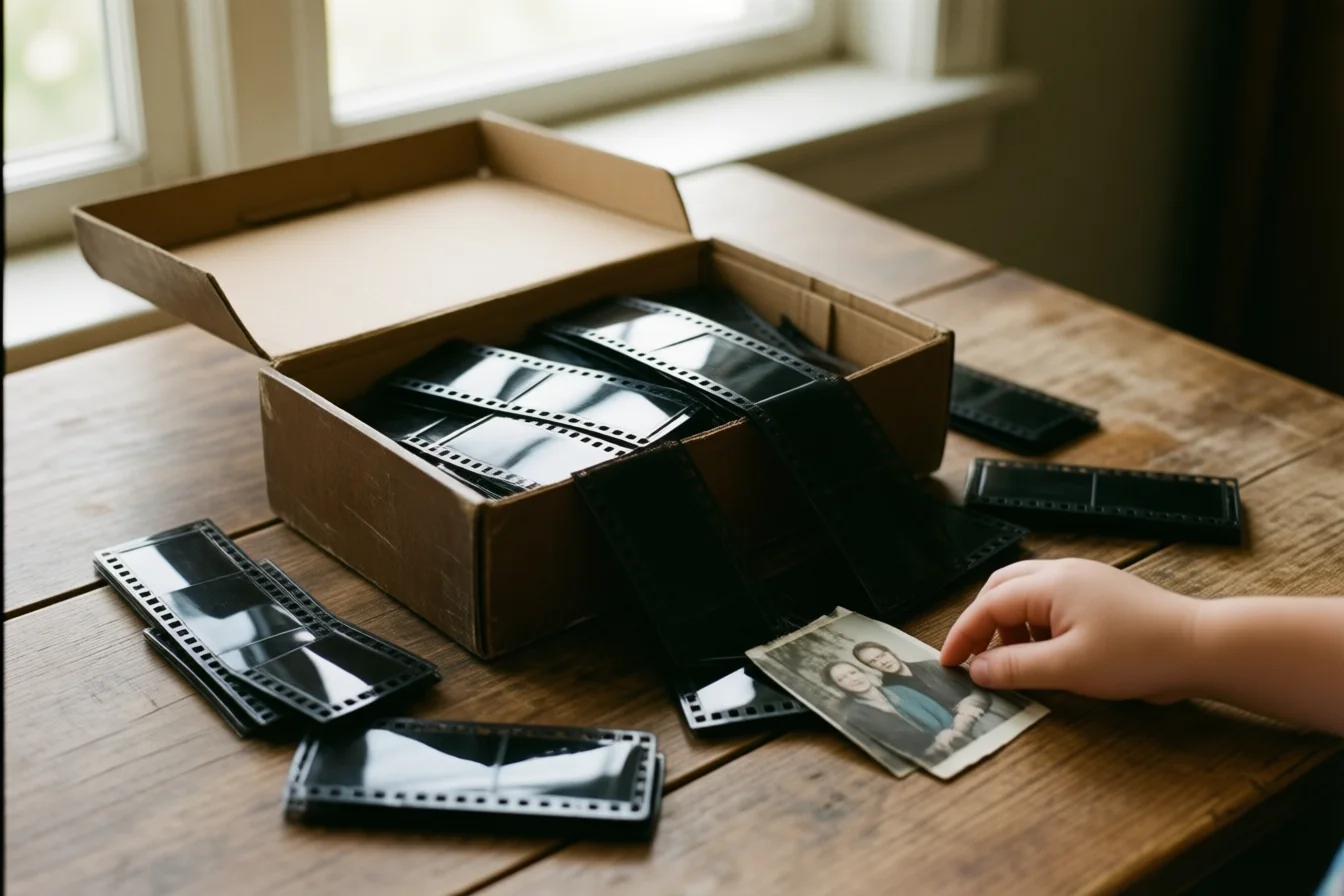
Your children at the lake. A client who trusted you with a difficult day. The inside of your home. The cloud asks for all of it, in exchange for a little convenience, and most of us have said yes without quite deciding to.
I
The quiet bargain.
Cloud photo AI gives everyone the same model and asks for their pictures in return. The pictures train the model, the model gets better, and the better model is offered back to you as a service. It is a reasonable trade for a search engine. It is a strange one for a family album.
We think the direction should be reversed. The model should come to the pictures, learn there, and leave nothing behind but a file you own.
II
Nothing leaves.
The photographs stay where they are. The index of them stays. The models that learn from them stay. Every prompt you type and every result you keep stays. Nothing is uploaded to be studied, and nothing is uploaded to be stored.
This is not a setting. It is how the thing is built. There is no server waiting for your pictures because there is no server.
III
Honest about what is made.
A photograph you took and a photograph you did not should never be confused, by you or by anyone else. Everything generated is marked as generated, carries that mark when it leaves, and is kept apart from the real pictures in your library.
And nothing generated is ever learned from. The model learns only from photographs that came out of a camera, so what it knows of your style is your style, not an echo of its own output.
IV
You can see what it knows, and take it back.
Whatever is learned about a person, a place or a look lives in a file you can inspect. If someone in your library would rather not be part of this, they can be forgotten, completely, in one step. If you want to walk away, there is nothing to export and nothing to request. It was always on your disk.
Personalization
Not the average of everyone. You.
Every library is a point of view. The same wedding, shot by two photographers, is two different weddings. Software built on the average of the internet cannot tell them apart. Software that has looked at your work can.
I
Ten thousand decisions.
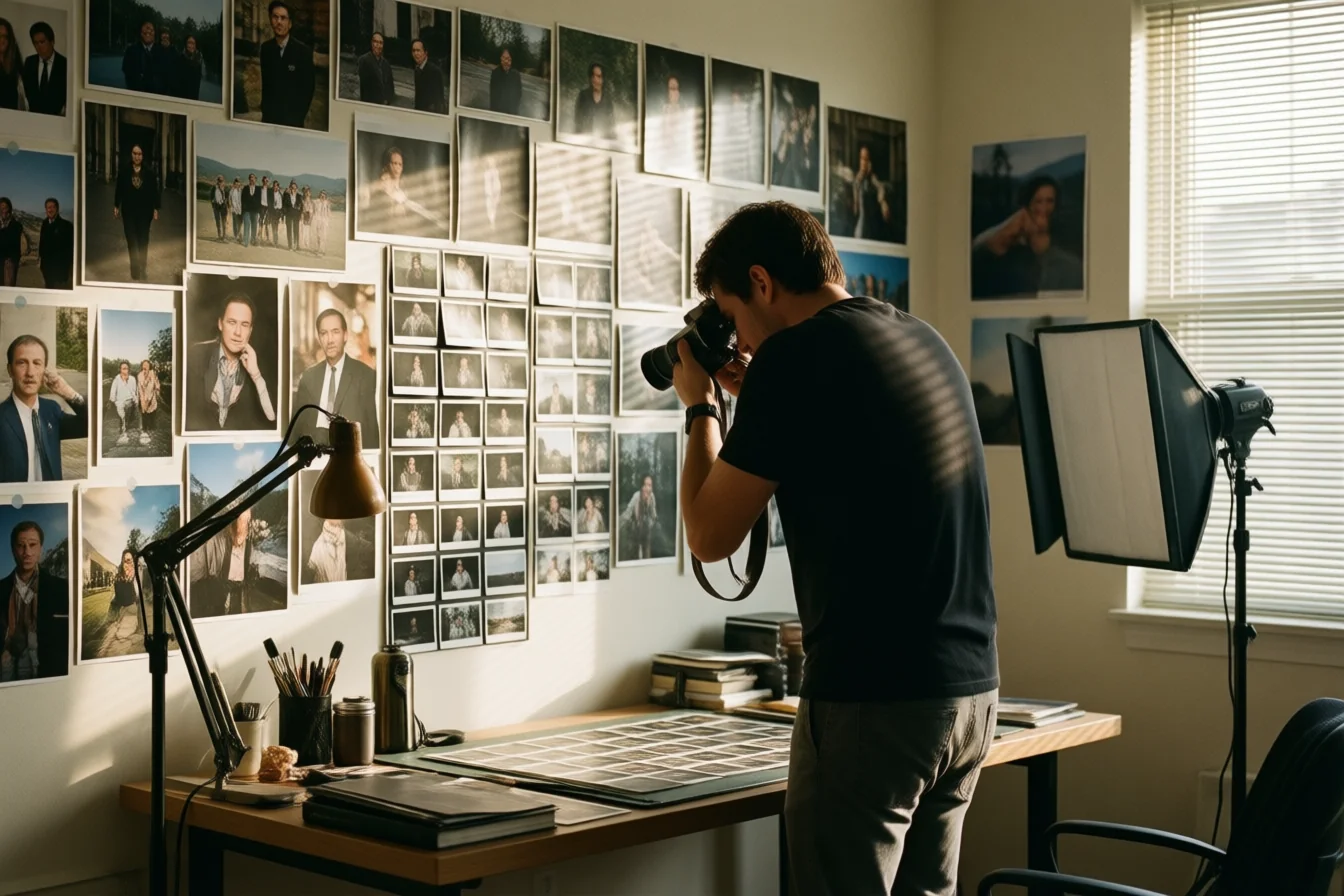
Every photograph you kept is a decision. Where you stood, what you let into the frame, how warm you wanted the shadows, when you pressed the button and when you waited. Across a library, those decisions describe a way of looking as precisely as any words could, and more honestly.
That description already exists. It is sitting in your folders. The only question is whether anything is going to learn from it.
II
Learned, not prompted.
You could try to put your style into words. "Warm, a little underexposed, soft contrast, film grain." Every photographer who has tried knows how little of it survives the translation.
A style that is learned from the work itself does not need translating. It knows what you do with skin in window light because it has seen you do it two hundred times. It knows which blues you leave alone. It is not a preset you picked. It is a record of what you have already chosen.
III
People, places, things.
A style is only part of it. Your library also knows who is in it: the people you photograph most, the rooms and streets you return to, the objects a shop or a studio shoots every week. Each of those can be learned on its own, so that fixing a face keeps it the right face, and making a new picture of a place makes it that place.
The potter's vases, the family's porch, the one friend who always turns away from the camera. These are not categories. They are yours.
IV
It gets better the longer you keep it.
Something that learns from your library grows with it. Every shoot you add teaches it a little more about how you see, and every subject you name gives it one more thing it can get right. Unlike a cloud service, it is not learning for everyone. It is learning for you, and it stays yours.
Ownership
A tool you own,
not one you rent.
The camera was yours. The negatives were yours. The thing that learns how you see, and the pictures it helps you make, should be yours in exactly the same way: on your disk, under your control, with no landlord.
I
Your pictures were always yours. Your tools should be too.
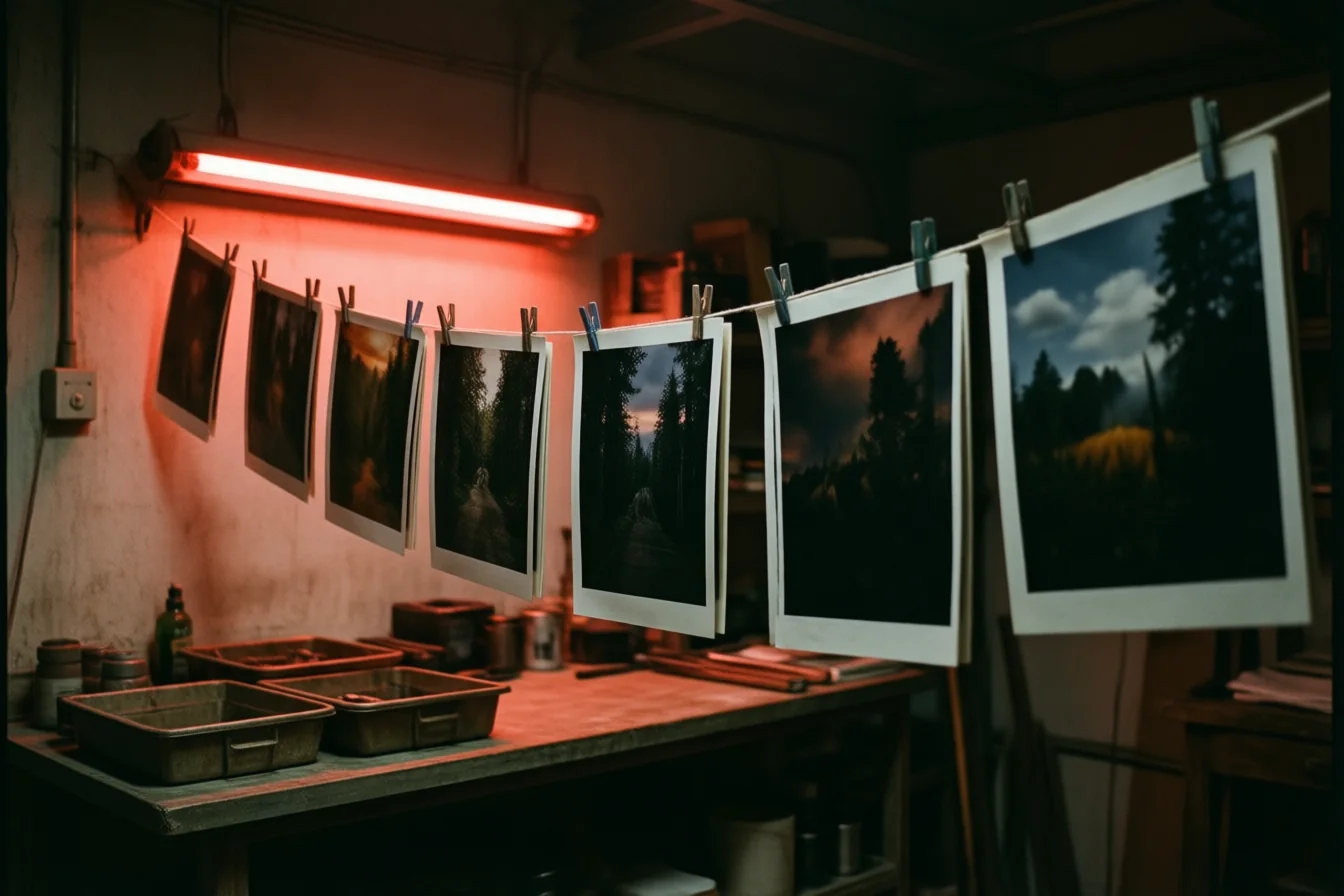
Photographers have always owned their means of making. The camera, the lenses, the enlarger, the drawer of negatives. None of it asked permission to work, and none of it stopped working when a company changed its mind. That was not a quirk of the era. It was the basis of the craft: the work and the tools belong to the same person.
Software quietly broke that. The tool became a service, the service became a subscription, and the subscription became a meter.
II
What renting does to the work.
A rented tool keeps the thing it learned about you. Your style, your people, the model that knows how you see, held on someone else's server under someone else's terms. Walk away and it stays behind.
III
What owning it means.
The model lives on your disk, next to the photographs it learned from. What it knows about your work is a file you can open, copy, back up or delete. A perpetual license means no service can withdraw it, change the terms, or go quiet one Tuesday and take your workflow with it.
IV
Bought once, like a lens.
Frame37 is paid for once and used for as long as you like, the way a camera is. Not because a one-time price is a clever offer, but because a tool that holds your library and knows your eye should belong to you outright.
That is an old idea about tools. We think it is the right one for this.
Agentic
Let the machine do the work. You pick what you like.
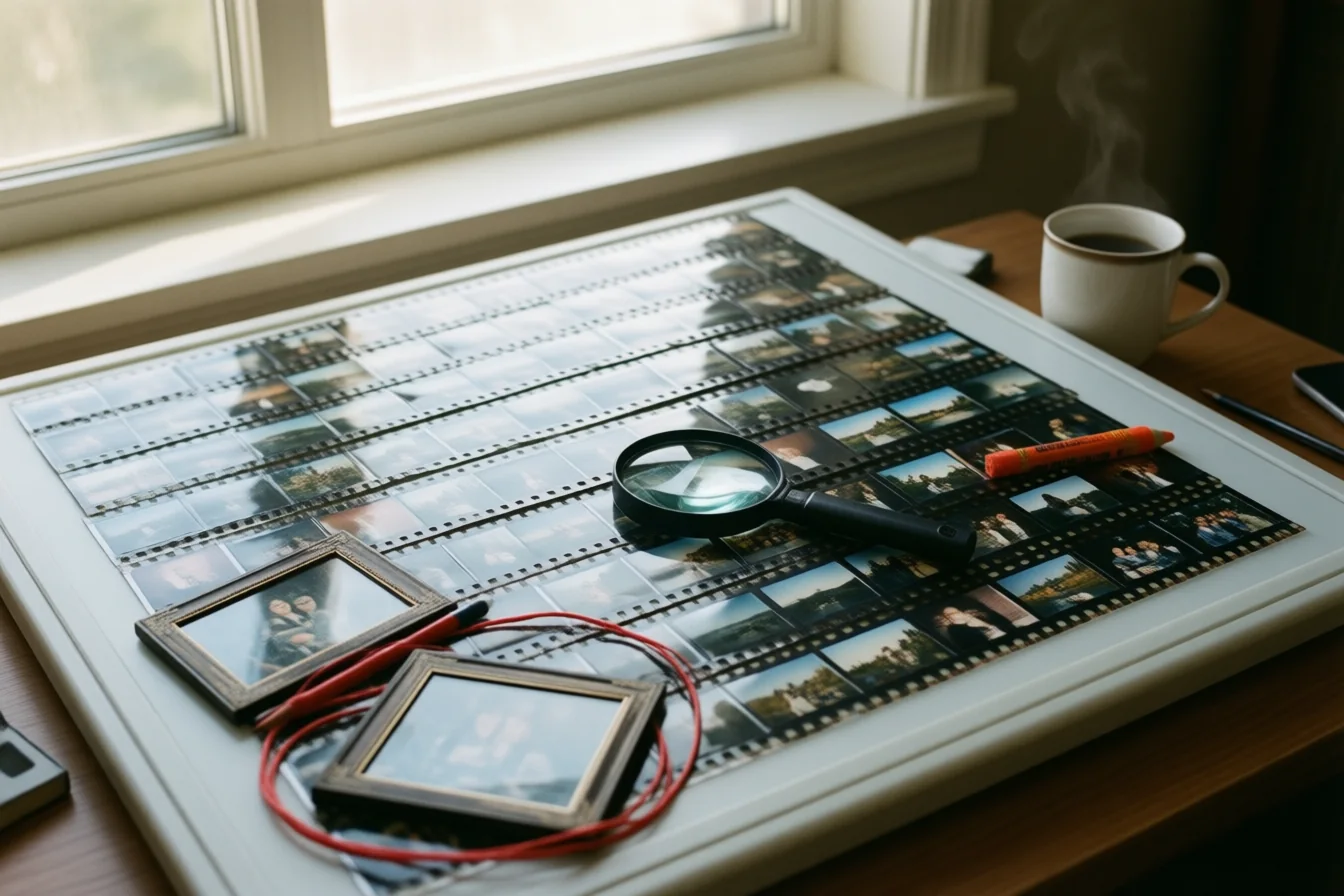
The contact sheet and the grease pencil were always the good part. Everything before them, the sorting, the fixing, the trying again, is work a machine can do overnight, without a quota, and hand to you in the morning.
I
The work that is not the work.
Most of photography is not taking pictures. It is the thousand frames after the shoot: the sorting, the culling, the same correction applied again and again, the restoration of the one scan that matters. It is necessary, and it is not why anyone picked up a camera.
That is the part a machine should carry. Not the seeing, which is yours, but the sifting.
II
It works while you sleep.
Point it at your library and go to bed. Overnight it indexes what is new, learns what it has not yet learned, corrects the shoot in your style, restores what needs restoring, and tries a few pictures you did not ask for: a better crop of a good frame, the shot you missed between two you took.
In the morning there is a short stack waiting. Keep, discard, or ignore it entirely. Nothing is decided without you.
III
No limit on how much it tries.
A cloud service with an agent inside it still counts every attempt against a quota, so the agent is taught to be timid: three variations, not thirty, and never the ridiculous one that turns out to be right.
On your own machine there is no counter. It can render a hundred versions of a frame and show you the four worth seeing. It can re-run a restoration until it is clean. The only limit is the hours in the night, and it has all of them.
IV
You are the editor.
The machine proposes. You dispose. Every result lands as something to approve, not something already done, and every step it took is visible and reversible. Your judgement is the one thing it never tries to replace, because your judgement is the whole point.
What is left for you is the part you wanted all along: looking at pictures and deciding which ones are good.
Frame37
One app, built on all five.
Frame37 is the first product to carry every one of these commitments at once.